Snowplow operators work around the clock to keep British Columbia’s highways open and safe throughout the winter. Clearing snow, applying de-icer, and spreading abrasives often requires them to travel well below the posted speed limit, make frequent lane changes, and navigate challenging visibility. Knowing how snowplows operate and what operators need from nearby drivers plays a major role in keeping our roads safe.
Here are some snowplow safety tips to help everyone get home safely this winter:
Give Snowplows Lots of Space
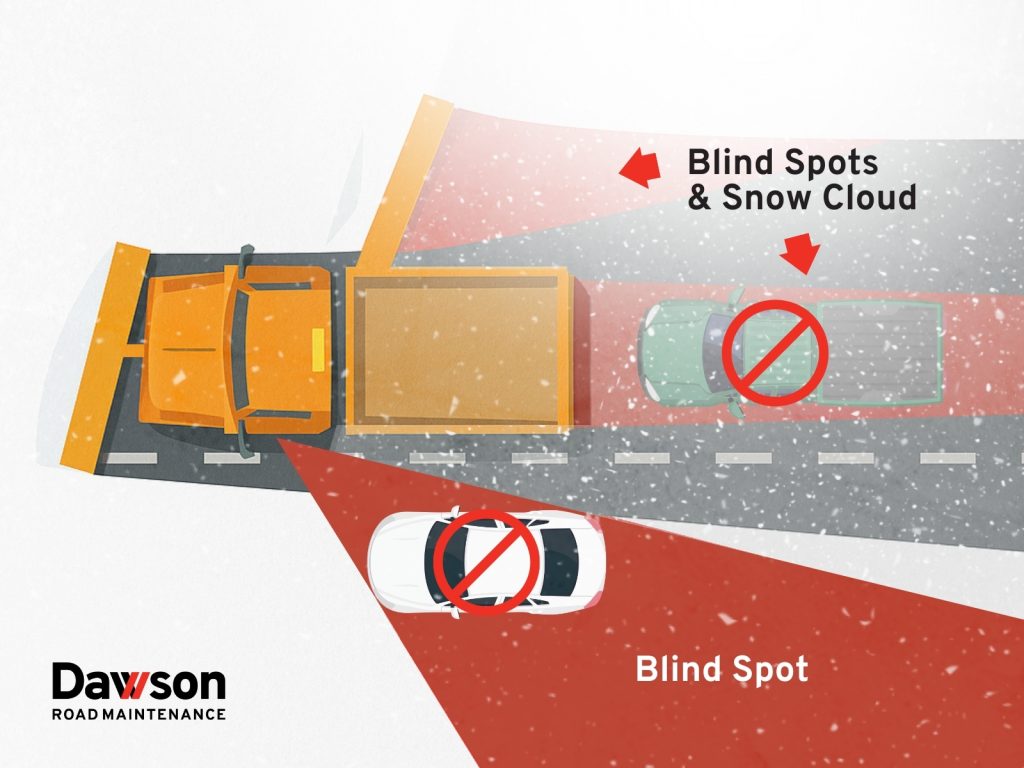
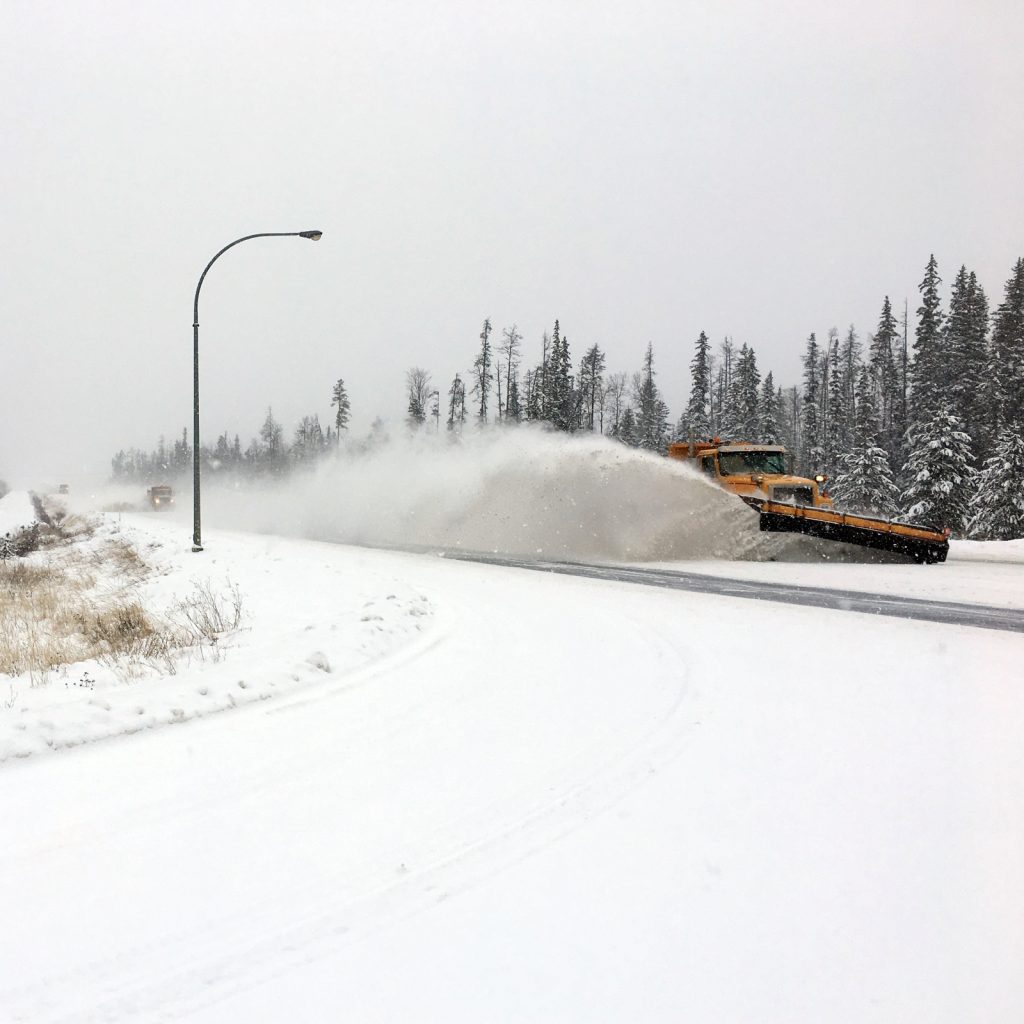
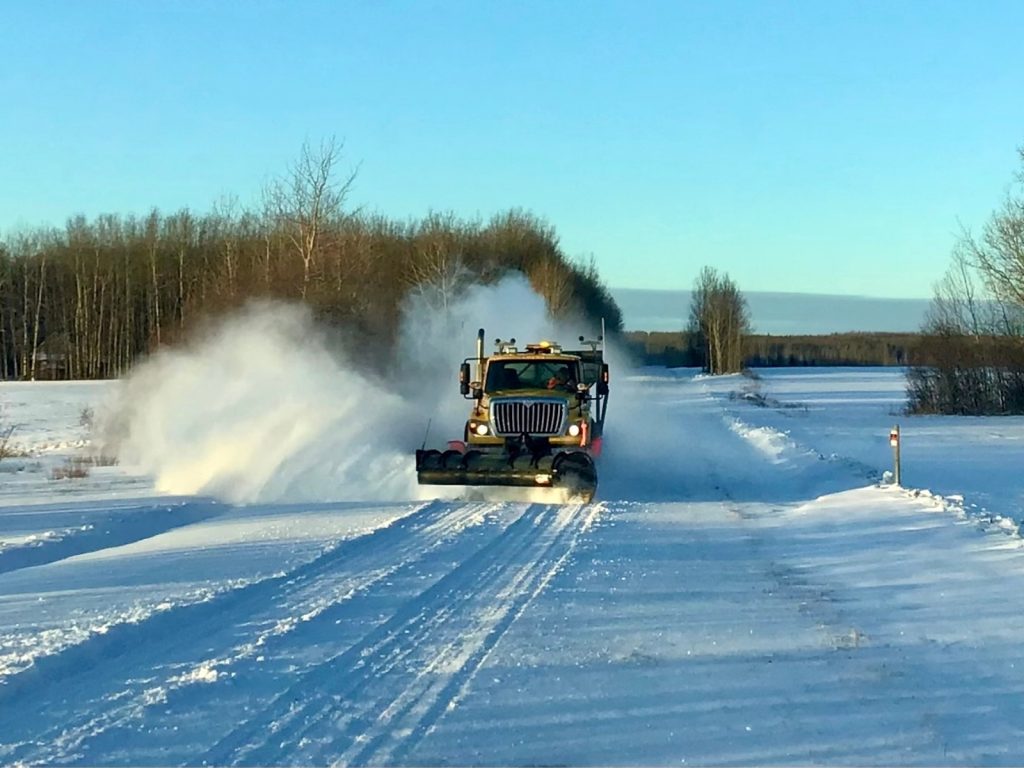
Snowplows need room to work. The front blade can extend several feet beyond the truck, and wing blades on the sides clear a wider path than most drivers expect. Flying snow, abrasives, and natural debris can reduce visibility and may strike nearby vehicles, which is why keeping a long buffer — about 10 car lengths — is one of the most effective safety measures.
Stay Back and Be Patient
The safest place to be is behind a plow, not beside it. Roads behind an active plow are clearer and have better traction. Snowplows may stop or swerve unexpectedly to avoid obstacles or navigate around stranded vehicles. Maintaining distance ensures you have time to react and helps keep both you and the operator safe.
Avoid Travelling Beside a Plow
When a plow cuts through heavy, packed snow, the force can shift the vehicle sideways. Staying out of the plow’s blind spots and avoiding long periods beside it helps prevent dangerous close calls, especially in drifting or blowing snow.
Never Drive Into a Snow Cloud
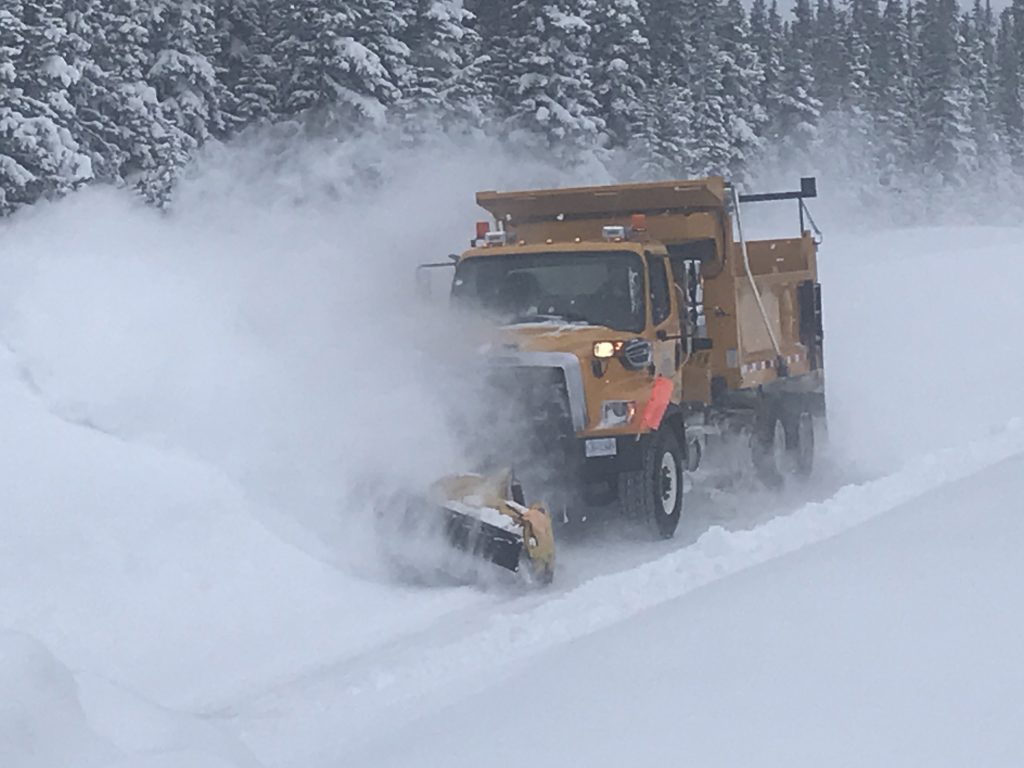
A plow can create a dense cloud of snow that drops visibility to zero in an instant. If you cannot see clearly, slow down immediately. Never drive into a snow cloud — it could conceal a snowplow.
Expect Lower Speeds and Provide Extra Time
Snowplows move much slower than posted limits while clearing snow and ice. When you see a plow ahead, begin slowing down early and allow extra time to reach your destination.
Understanding Plowing Patterns
Highways may be cleared in different ways depending on weather conditions and the type of road. In many cases, plow operators will work lane by lane — often beginning in the inside lane and moving outward — which helps create room for snow to be pushed toward the shoulder and reduces the chance of windrows forming between lanes.
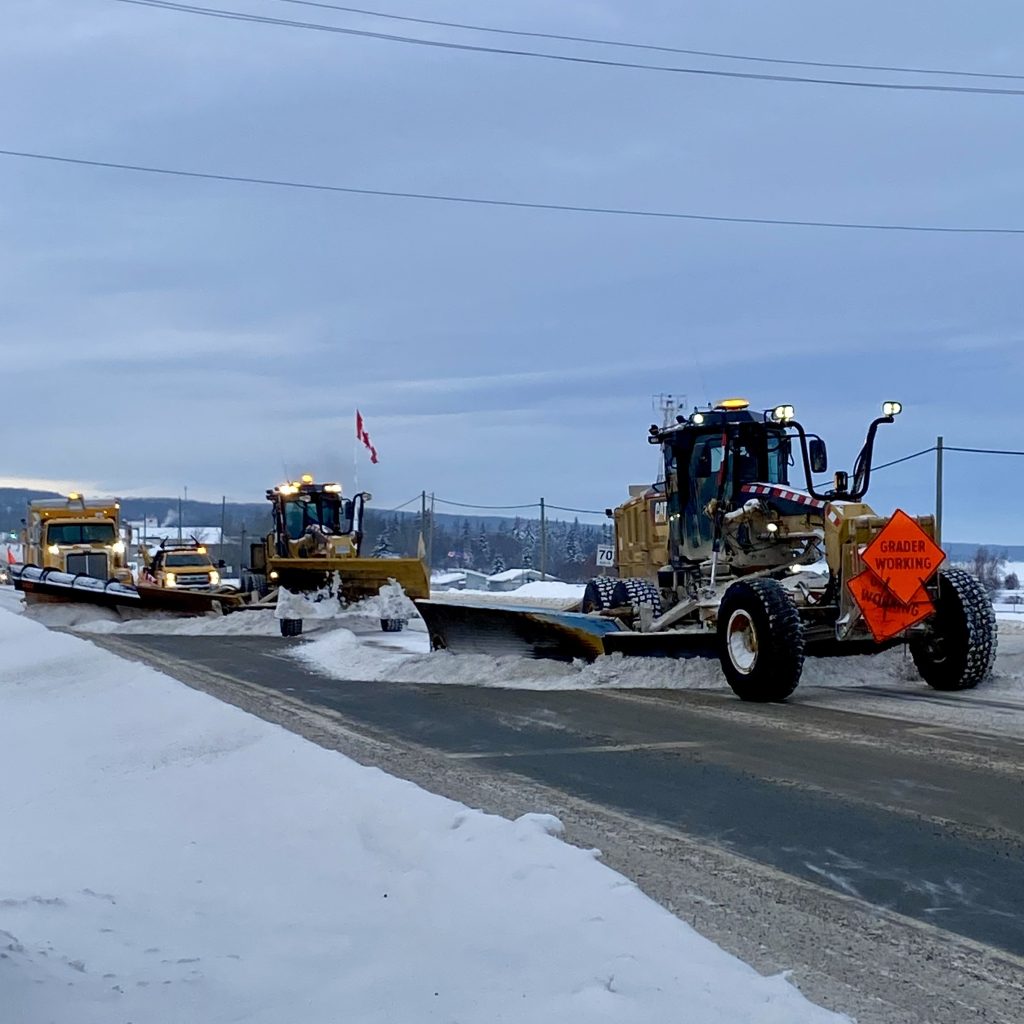
During major storms, you may also encounter up to five plows working side by side in a diagonal formation to clear all lanes at once. This technique, known as Echelon Plowing, moves slowly and requires patience, as passing the formation is unsafe and not possible until operators pull over or the formation breaks.
Safely Passing Snowplow Trucks
Never pass a snowplow on the right, wing blades and blowing snow make that side extremely dangerous. Passing should happen only on the left, and only when the lane beside you is fully clear and it is legal to do so.
If another plow is working ahead — such as in a staggered or echelon formation — it is not legal to pass. Drivers must stay behind the plows until operators can safely pull over.
Watch for Plows Approaching in the Opposite Lane
On undivided highways, moving safely to the right gives the plow room to work and keeps your vehicle clear of thrown snow, salt, and sand.
Remember That Visibility Is a Challenge for Operators Too
A snowplow operator’s field of vision is restricted — especially during storms or when wing blades are deployed. You may see the plow, but the operator may not see you. Maintaining a generous following distance is the best way to stay visible and safe.
Plows Frequently Turn, Pull Over, or Exit the Road
Snowplows regularly pull over to allow traffic to pass or to reposition for the next section of road. Give them ample room when they slow down, turn, or exit — these manoeuvres often require wide angles and reduced speed.
Keeping these snowplow safety tips in mind helps ensure safer winter travel for everyone on the road.